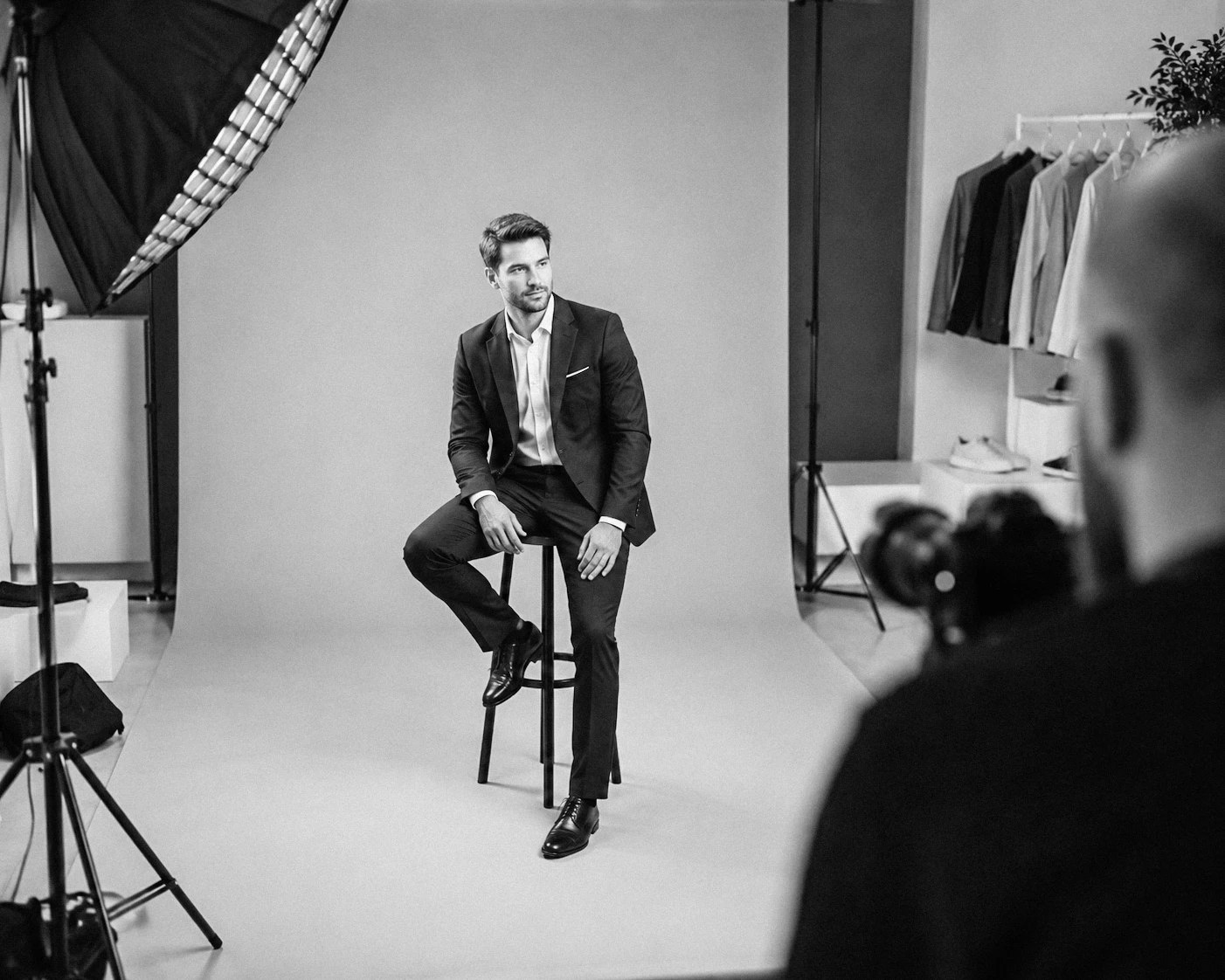
What Should a Professional CV Photo Look Like?
Learn what a professional CV photo should look like, which mistakes to avoid, and how to create a strong first impression with a business portrait for your CV and LinkedIn profile.
Date
/
Category
Portrait
Portrait
/
Writer
Milos Bulatovic
Milos Bulatovic
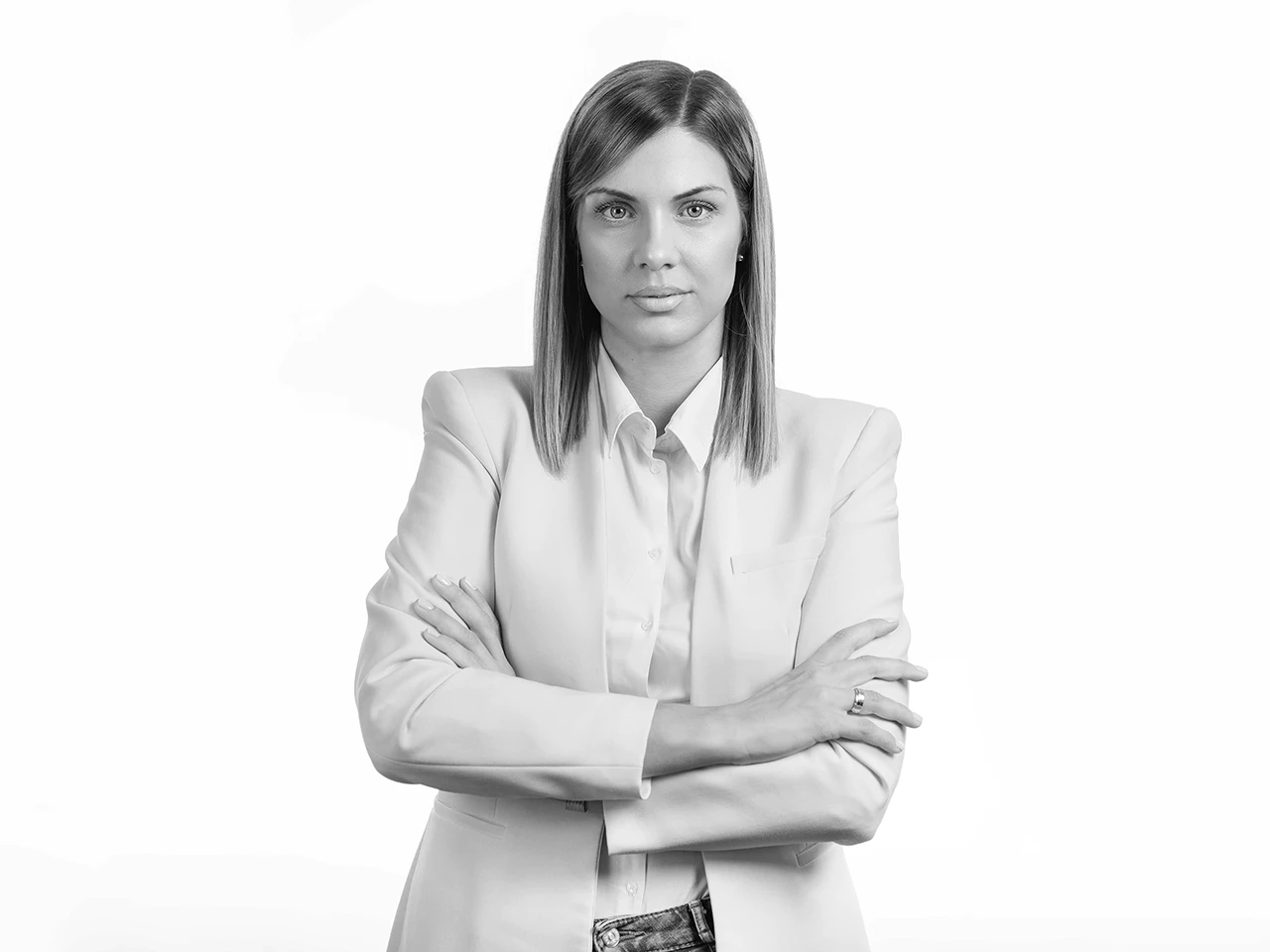
Recruiters often see your photo before they read the rest of your CV. That is exactly why a CV photo is not just a formality — it can significantly influence the first impression you leave.
Although a photo on a CV is not mandatory, when you choose to include one, it is important that it works in your favor, not against you. A good CV photo should look professional, polished, and representative, because it communicates that you are reliable, serious, and ready for professional challenges.
A professional CV photo is often the first step toward creating a high-quality business portrait that can also be used for your LinkedIn profile, company website, personal brand, or professional communication.
Factors That Influence the Quality of a CV Photo
When it comes to a CV photo, several important elements directly affect how you look and the impression you leave.
The most important factors are:
professional appearance
background of the photo
lighting and image quality
framing and composition
clothing
attention to detail
distracting elements
1. Professional Appearance
Your photo should create a trustworthy and professional impression on potential employers. The goal is to appear like the right person for the position — someone they would want to invite for an interview based on that first impression alone.
Avoid old, informal, or overly casual photos. Selfies, party pictures, or travel photos are not a good choice.
Stand naturally, keep good posture, and stay relaxed. A slight smile is welcome, but avoid exaggerated poses. The best results usually come from authentic photos where you look confident and approachable.
2. What Should the Background of a CV Photo Look Like?
The background should be simple and neutral. White, gray, or other soft solid colors usually work best.
This can be a plain wall, a curtain, or a professional studio background. The most important thing is that nothing distracts attention away from your face.
Avoid backgrounds with too many details, objects, or other people in the frame. The focus should remain entirely on you.
3. Lighting and Photo Quality
If you are taking the photo at home, natural light is usually the best option. It is ideal to take the photo during the day, near a window, but without direct harsh sunlight.
Make sure that shadows are not covering your face and that your eyes are clearly visible.
The photo should be sharp, clear, and high quality. Blurry images, heavy filters, and excessive retouching are not recommended. Employers should be able to recognize you in real life.
If you do not have the right equipment or are unsure how to create a professional-looking image yourself, the best solution is a professional business portrait session.
4. Proper Framing for a CV Photo
In a CV photo, the focus should not be on the entire body, but on the face and upper body.
The ideal framing is from the shoulders to slightly above the head. You should be positioned in the center of the image, without too much empty space around you.
Avoid photos taken from too far away or awkwardly cropped images. Clean and balanced framing creates a much more professional impression.
5. Clothing
Clothing plays a major role because it says a lot about your professional approach.
Choose simple pieces such as shirts, blouses, blazers, or business vests. Neutral colors like white, gray, navy, or beige almost always look professional and timeless.
Avoid:
bright colors
large logos
distracting prints and patterns
cartoon graphics or text
overly revealing clothing
eye-catching details such as oversized buttons or bows
The goal is to keep the attention on you — not on your outfit.
6. Makeup, Hairstyling, and Details That Influence the Overall Impression
Makeup, jewelry, hairstyle, and facial hair can significantly affect the overall impression your photo creates.
Choose natural and subtle makeup that enhances your appearance rather than hiding it. Heavy makeup is generally not recommended for a CV photo.
Jewelry should remain minimal and understated. Simple earrings or a small necklace are usually more than enough.
Your hairstyle should look neat and well-groomed. Messy or unstyled hair rarely creates a professional impression.
For men, beards should be clean, trimmed, and properly maintained.
7. Mistakes to Avoid in a CV Photo
Distracting elements can completely ruin an otherwise good CV photo.
The most common mistakes include:
other people in the background
sunglasses
hats and distracting fashion accessories
mirrors
selfie photos
outdated images
Avoid using photos from social events, vacations, or casual situations.
If you wear prescription glasses, feel free to keep them on — they often contribute to a more professional and serious appearance.
The Difference Between a CV Photo and a Business Portrait
Many people confuse these two concepts, but there is an important difference.
A CV photo is usually simpler and focused on creating a basic professional impression.
Business portraits go a step further — they represent your personal brand and professional identity, and are often used for LinkedIn profiles, company websites, media publications, and professional communication.
If you want a photo that can be used across multiple professional platforms, a professional business portrait session is a much better long-term solution.
Is a Professional Photographer Necessary?
Today, smartphones can take good photos, but a professional photographer brings much more than simply pressing a button. Lighting, composition, posing guidance, photo retouching, and the overall visual impression make a huge difference.
Especially when it comes to first professional impressions, a high-quality photo can be the detail that helps you stand out from other candidates.
Business Portraits for LinkedIn, CVs, and Personal Branding
If you want professional photos that you can use for your CV, LinkedIn profile, company website, or personal brand, take a look at our business portrait service.
Professional business portrait photography helps you create a serious, modern, and trustworthy impression — exactly the kind of presence you want in the professional world.
You can learn more about the service here:
FAQ
Is a photo mandatory on a CV?
No, a photo is not mandatory, but it can help create a stronger first impression if it is professionally done.
Can I use a selfie for my CV?
It is not recommended. Selfies often appear unprofessional and do not create a strong professional impression.
What is the best background for a CV photo?
Simple, neutral backgrounds such as white, gray, or other light solid colors usually work best.
Is a LinkedIn photo the same as a CV photo?
They can be similar, but a LinkedIn photo is often more aligned with business portraits and personal branding.
How often should I update my CV photo?
Ideally every 2 to 3 years, or whenever there is a significant change in your appearance.
A high-quality photo is not just a small detail — it is part of your professional identity. Very often, a strong first impression begins right there.
Recruiters often see your photo before they read the rest of your CV. That is exactly why a CV photo is not just a formality — it can significantly influence the first impression you leave.
Although a photo on a CV is not mandatory, when you choose to include one, it is important that it works in your favor, not against you. A good CV photo should look professional, polished, and representative, because it communicates that you are reliable, serious, and ready for professional challenges.
A professional CV photo is often the first step toward creating a high-quality business portrait that can also be used for your LinkedIn profile, company website, personal brand, or professional communication.
Factors That Influence the Quality of a CV Photo
When it comes to a CV photo, several important elements directly affect how you look and the impression you leave.
The most important factors are:
professional appearance
background of the photo
lighting and image quality
framing and composition
clothing
attention to detail
distracting elements
1. Professional Appearance
Your photo should create a trustworthy and professional impression on potential employers. The goal is to appear like the right person for the position — someone they would want to invite for an interview based on that first impression alone.
Avoid old, informal, or overly casual photos. Selfies, party pictures, or travel photos are not a good choice.
Stand naturally, keep good posture, and stay relaxed. A slight smile is welcome, but avoid exaggerated poses. The best results usually come from authentic photos where you look confident and approachable.
2. What Should the Background of a CV Photo Look Like?
The background should be simple and neutral. White, gray, or other soft solid colors usually work best.
This can be a plain wall, a curtain, or a professional studio background. The most important thing is that nothing distracts attention away from your face.
Avoid backgrounds with too many details, objects, or other people in the frame. The focus should remain entirely on you.
3. Lighting and Photo Quality
If you are taking the photo at home, natural light is usually the best option. It is ideal to take the photo during the day, near a window, but without direct harsh sunlight.
Make sure that shadows are not covering your face and that your eyes are clearly visible.
The photo should be sharp, clear, and high quality. Blurry images, heavy filters, and excessive retouching are not recommended. Employers should be able to recognize you in real life.
If you do not have the right equipment or are unsure how to create a professional-looking image yourself, the best solution is a professional business portrait session.
4. Proper Framing for a CV Photo
In a CV photo, the focus should not be on the entire body, but on the face and upper body.
The ideal framing is from the shoulders to slightly above the head. You should be positioned in the center of the image, without too much empty space around you.
Avoid photos taken from too far away or awkwardly cropped images. Clean and balanced framing creates a much more professional impression.
5. Clothing
Clothing plays a major role because it says a lot about your professional approach.
Choose simple pieces such as shirts, blouses, blazers, or business vests. Neutral colors like white, gray, navy, or beige almost always look professional and timeless.
Avoid:
bright colors
large logos
distracting prints and patterns
cartoon graphics or text
overly revealing clothing
eye-catching details such as oversized buttons or bows
The goal is to keep the attention on you — not on your outfit.
6. Makeup, Hairstyling, and Details That Influence the Overall Impression
Makeup, jewelry, hairstyle, and facial hair can significantly affect the overall impression your photo creates.
Choose natural and subtle makeup that enhances your appearance rather than hiding it. Heavy makeup is generally not recommended for a CV photo.
Jewelry should remain minimal and understated. Simple earrings or a small necklace are usually more than enough.
Your hairstyle should look neat and well-groomed. Messy or unstyled hair rarely creates a professional impression.
For men, beards should be clean, trimmed, and properly maintained.
7. Mistakes to Avoid in a CV Photo
Distracting elements can completely ruin an otherwise good CV photo.
The most common mistakes include:
other people in the background
sunglasses
hats and distracting fashion accessories
mirrors
selfie photos
outdated images
Avoid using photos from social events, vacations, or casual situations.
If you wear prescription glasses, feel free to keep them on — they often contribute to a more professional and serious appearance.
The Difference Between a CV Photo and a Business Portrait
Many people confuse these two concepts, but there is an important difference.
A CV photo is usually simpler and focused on creating a basic professional impression.
Business portraits go a step further — they represent your personal brand and professional identity, and are often used for LinkedIn profiles, company websites, media publications, and professional communication.
If you want a photo that can be used across multiple professional platforms, a professional business portrait session is a much better long-term solution.
Is a Professional Photographer Necessary?
Today, smartphones can take good photos, but a professional photographer brings much more than simply pressing a button. Lighting, composition, posing guidance, photo retouching, and the overall visual impression make a huge difference.
Especially when it comes to first professional impressions, a high-quality photo can be the detail that helps you stand out from other candidates.
Business Portraits for LinkedIn, CVs, and Personal Branding
If you want professional photos that you can use for your CV, LinkedIn profile, company website, or personal brand, take a look at our business portrait service.
Professional business portrait photography helps you create a serious, modern, and trustworthy impression — exactly the kind of presence you want in the professional world.
You can learn more about the service here:
FAQ
Is a photo mandatory on a CV?
No, a photo is not mandatory, but it can help create a stronger first impression if it is professionally done.
Can I use a selfie for my CV?
It is not recommended. Selfies often appear unprofessional and do not create a strong professional impression.
What is the best background for a CV photo?
Simple, neutral backgrounds such as white, gray, or other light solid colors usually work best.
Is a LinkedIn photo the same as a CV photo?
They can be similar, but a LinkedIn photo is often more aligned with business portraits and personal branding.
How often should I update my CV photo?
Ideally every 2 to 3 years, or whenever there is a significant change in your appearance.
A high-quality photo is not just a small detail — it is part of your professional identity. Very often, a strong first impression begins right there.
Latest Articles.
oshtrō studio
Thoughts, ideas, and perspectives on design, simplicity, and creative process.