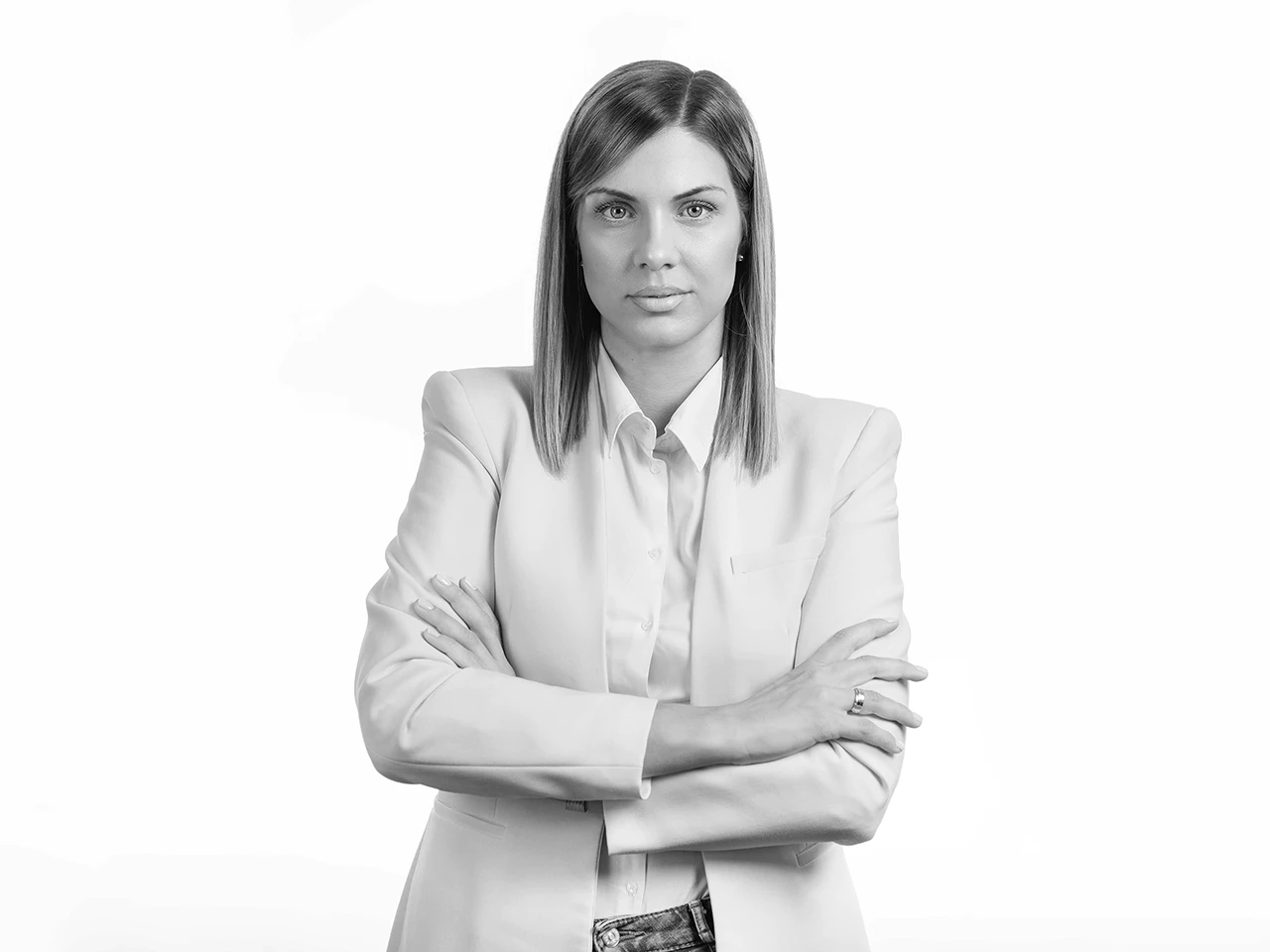
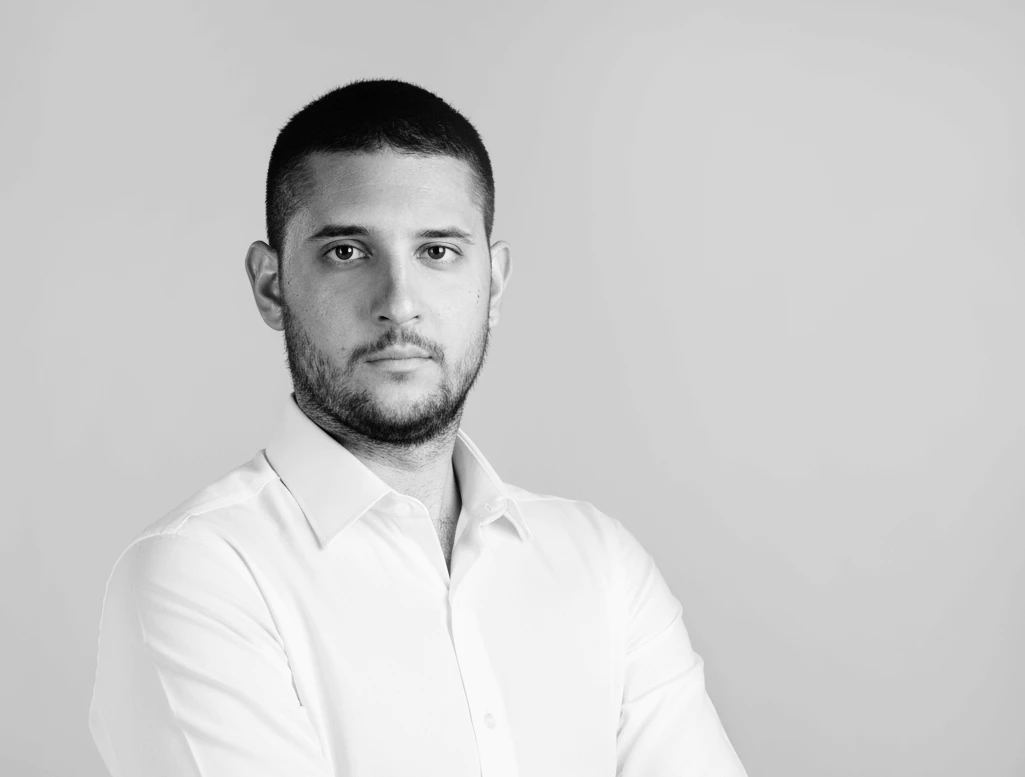
How to Prepare for a Business Photoshoot
Learn how to prepare for a business photoshoot — including clothing, makeup, posing, and practical tips for professional business portraits for your CV and LinkedIn profile.
Date
/
Category
Brand photography
Brand photography
/
Writer
Milos Bulatovic
Milos Bulatovic
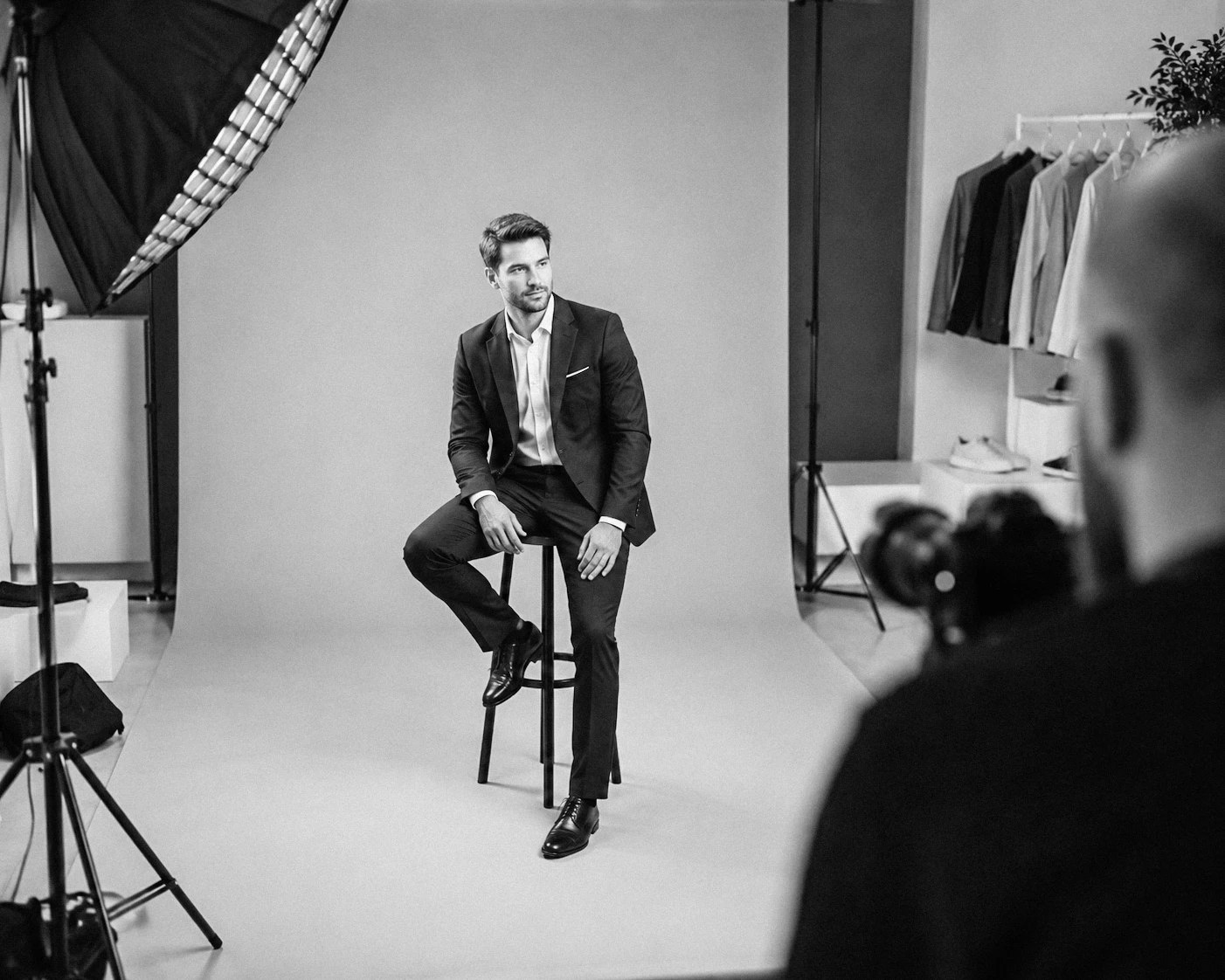
People often think that a business portrait is just another photo for a CV or LinkedIn profile. In reality, it is the first impression you make before saying a single word.
Professional business portraits carry far more importance today than they did in the past. They are no longer used only for CVs, but also for LinkedIn, company websites, personal branding, media publications, and professional communication. That is exactly why proper preparation for a business photoshoot makes such a significant difference.
When you know how to prepare, the photos look more natural, more professional, and leave a much stronger impression.
The Most Important Steps Before a Business Photoshoot
A successful business photoshoot does not depend only on the camera or the photographer, but primarily on good preparation and attention to detail.
The most important parts of the preparation process are:
choosing the right outfit for a business portrait
makeup and hairstyle
posture and facial expression
communication with the photographer
preparation the day before the photoshoot
1. What to Wear for a Business Portrait
Your clothing should look clean, simple, and appropriate for the industry you work in — or the one you want to work in. The goal is not to look like someone else, but like the best version of yourself.
Choose classic and simple clothing pieces such as solid-color blazers, shirts, blouses, and business trousers. Neutral colors like white, gray, navy, and beige usually produce the best results.
It is important that your clothing is clean, ironed, and fits you well. Wear something that makes you feel comfortable and confident, because that confidence will also be visible in the photos.
Avoid:
bright colors
large logos
distracting prints and patterns
overly revealing clothing
exaggerated fashion details
If you are unsure what to wear, read our blog post: what to wear for a business portrait.
2. Makeup and Hairstyling
Makeup should look natural, subtle, and understated. Its purpose is not to change your appearance, but to enhance your natural features and create a fresh, polished look. A light foundation or BB cream, natural tones, and an even complexion are usually the best choice. Heavy makeup and overly defined contouring are generally not recommended for business portraits.
Your hairstyle should be neat and simple. Whether your hair is worn down, tied back in a ponytail, or styled in a bun, the most important thing is that it looks clean and professional. For men, beards and mustaches should be well-groomed. If you prefer a clean-shaven look, it is usually best to shave the evening before the photoshoot.
3. Posture and Facial Expression
Posture and body language often communicate more than clothing itself.
A slight smile, relaxed shoulders, and confident posture can completely change the impression you leave. People often underestimate this part of the process, even though it is exactly what separates an average photo from a truly strong one.
Your back should be straight, your gaze confident, and your facial expression natural. The goal is not to appear stiff or overly posed, but confident, approachable, and professional.
A professional photographer will guide you through posing, but good preparation beforehand almost always leads to better results.
4. Communication with the Photographer
Before the photoshoot, it is important for the photographer to understand what the images will be used for.
Will the photos be used for a CV, LinkedIn profile, company website, PR publication, or personal branding? The answer to this question changes the entire approach to the shoot.
Together with the photographer, you will choose the appropriate background, photography style, and level of formality. Some people benefit from a more formal business portrait, while others look better with a more relaxed and modern approach.
Do not hesitate to ask for guidance regarding poses, facial expressions, or camera angles. That collaboration is often what creates the best final result.
5. Preparing the Day Before the Photoshoot
Good preparation starts the evening before the photoshoot itself.
Choose your outfit in advance, prepare all the necessary details, and make sure you get enough rest. A good night’s sleep helps your face look fresher and more relaxed. It is also best to avoid alcohol and overly salty food the night before, as they can make your face appear tired or swollen.
If you want additional confidence, you can practice facial expressions and body posture in front of a mirror to see what feels and looks most natural to you.
The Most Common Mistakes People Make During Business Photoshoots
Although preparation is not complicated, many people still make the same mistakes that can weaken the overall impression.
The most common mistakes include:
selfie photos
using vacation or travel photos
photos with other people in the frame
inappropriate clothing
heavy makeup
messy hairstyles
poor lighting
excessive filters
exaggerated facial expressions
slouched posture
A business portrait should look professional, clean, and authentic. Anything that distracts from that should be avoided.
Business Portraits for LinkedIn, CVs, and Personal Branding
Preparing for business portraits is not about looking perfect — it is about controlling the impression you leave.
Through the right clothing choices, subtle makeup, natural facial expressions, and a relaxed approach, you can significantly influence how you are perceived in your photos.
If you want images that can be used for your CV, LinkedIn profile, company website, or personal brand, professional business portraits are the best solution.
When every detail is carefully controlled — from lighting and posing to facial expression and final retouching — the result looks polished, modern, and professional.
When Is the Right Time for a Professional Business Portrait?
Many people wait for the “perfect moment” to book a professional photoshoot, but the best time is simply when you want to present yourself and your work more seriously and professionally.
That can include:
searching for a new job
improving your LinkedIn profile
building a personal brand
presenting yourself on a company website
PR publications and media appearances
strengthening your professional image
A professional photo is not an expense — it is an investment in your first impression.
FAQ
Why are business portraits important for a CV?
Business portraits are often the first impression you leave on employers, recruiters, and clients. A high-quality photo helps you present yourself more professionally and can significantly influence the decision to continue communication.
What should I wear for a business photoshoot?
Clean, simple, and professional clothing that fits your industry is usually the best choice. Solid-color suits, shirts, blouses, and neutral tones tend to work best.
How far in advance should I prepare for the photoshoot?
It is best to prepare the evening before the shoot. That is the ideal time to choose your outfit, organize the details, and get enough rest so you look fresh and natural.
Do business portraits have to be taken in a studio?
No. Business portraits can be photographed in a studio, office, or another location, depending on the purpose and style of the images.
Does the photographer help with posing?
Yes. A professional photographer will guide you through poses, facial expressions, and body positioning to ensure the photos look natural and professional.
People often think that a business portrait is just another photo for a CV or LinkedIn profile. In reality, it is the first impression you make before saying a single word.
Professional business portraits carry far more importance today than they did in the past. They are no longer used only for CVs, but also for LinkedIn, company websites, personal branding, media publications, and professional communication. That is exactly why proper preparation for a business photoshoot makes such a significant difference.
When you know how to prepare, the photos look more natural, more professional, and leave a much stronger impression.
The Most Important Steps Before a Business Photoshoot
A successful business photoshoot does not depend only on the camera or the photographer, but primarily on good preparation and attention to detail.
The most important parts of the preparation process are:
choosing the right outfit for a business portrait
makeup and hairstyle
posture and facial expression
communication with the photographer
preparation the day before the photoshoot
1. What to Wear for a Business Portrait
Your clothing should look clean, simple, and appropriate for the industry you work in — or the one you want to work in. The goal is not to look like someone else, but like the best version of yourself.
Choose classic and simple clothing pieces such as solid-color blazers, shirts, blouses, and business trousers. Neutral colors like white, gray, navy, and beige usually produce the best results.
It is important that your clothing is clean, ironed, and fits you well. Wear something that makes you feel comfortable and confident, because that confidence will also be visible in the photos.
Avoid:
bright colors
large logos
distracting prints and patterns
overly revealing clothing
exaggerated fashion details
If you are unsure what to wear, read our blog post: what to wear for a business portrait.
2. Makeup and Hairstyling
Makeup should look natural, subtle, and understated. Its purpose is not to change your appearance, but to enhance your natural features and create a fresh, polished look. A light foundation or BB cream, natural tones, and an even complexion are usually the best choice. Heavy makeup and overly defined contouring are generally not recommended for business portraits.
Your hairstyle should be neat and simple. Whether your hair is worn down, tied back in a ponytail, or styled in a bun, the most important thing is that it looks clean and professional. For men, beards and mustaches should be well-groomed. If you prefer a clean-shaven look, it is usually best to shave the evening before the photoshoot.
3. Posture and Facial Expression
Posture and body language often communicate more than clothing itself.
A slight smile, relaxed shoulders, and confident posture can completely change the impression you leave. People often underestimate this part of the process, even though it is exactly what separates an average photo from a truly strong one.
Your back should be straight, your gaze confident, and your facial expression natural. The goal is not to appear stiff or overly posed, but confident, approachable, and professional.
A professional photographer will guide you through posing, but good preparation beforehand almost always leads to better results.
4. Communication with the Photographer
Before the photoshoot, it is important for the photographer to understand what the images will be used for.
Will the photos be used for a CV, LinkedIn profile, company website, PR publication, or personal branding? The answer to this question changes the entire approach to the shoot.
Together with the photographer, you will choose the appropriate background, photography style, and level of formality. Some people benefit from a more formal business portrait, while others look better with a more relaxed and modern approach.
Do not hesitate to ask for guidance regarding poses, facial expressions, or camera angles. That collaboration is often what creates the best final result.
5. Preparing the Day Before the Photoshoot
Good preparation starts the evening before the photoshoot itself.
Choose your outfit in advance, prepare all the necessary details, and make sure you get enough rest. A good night’s sleep helps your face look fresher and more relaxed. It is also best to avoid alcohol and overly salty food the night before, as they can make your face appear tired or swollen.
If you want additional confidence, you can practice facial expressions and body posture in front of a mirror to see what feels and looks most natural to you.
The Most Common Mistakes People Make During Business Photoshoots
Although preparation is not complicated, many people still make the same mistakes that can weaken the overall impression.
The most common mistakes include:
selfie photos
using vacation or travel photos
photos with other people in the frame
inappropriate clothing
heavy makeup
messy hairstyles
poor lighting
excessive filters
exaggerated facial expressions
slouched posture
A business portrait should look professional, clean, and authentic. Anything that distracts from that should be avoided.
Business Portraits for LinkedIn, CVs, and Personal Branding
Preparing for business portraits is not about looking perfect — it is about controlling the impression you leave.
Through the right clothing choices, subtle makeup, natural facial expressions, and a relaxed approach, you can significantly influence how you are perceived in your photos.
If you want images that can be used for your CV, LinkedIn profile, company website, or personal brand, professional business portraits are the best solution.
When every detail is carefully controlled — from lighting and posing to facial expression and final retouching — the result looks polished, modern, and professional.
When Is the Right Time for a Professional Business Portrait?
Many people wait for the “perfect moment” to book a professional photoshoot, but the best time is simply when you want to present yourself and your work more seriously and professionally.
That can include:
searching for a new job
improving your LinkedIn profile
building a personal brand
presenting yourself on a company website
PR publications and media appearances
strengthening your professional image
A professional photo is not an expense — it is an investment in your first impression.
FAQ
Why are business portraits important for a CV?
Business portraits are often the first impression you leave on employers, recruiters, and clients. A high-quality photo helps you present yourself more professionally and can significantly influence the decision to continue communication.
What should I wear for a business photoshoot?
Clean, simple, and professional clothing that fits your industry is usually the best choice. Solid-color suits, shirts, blouses, and neutral tones tend to work best.
How far in advance should I prepare for the photoshoot?
It is best to prepare the evening before the shoot. That is the ideal time to choose your outfit, organize the details, and get enough rest so you look fresh and natural.
Do business portraits have to be taken in a studio?
No. Business portraits can be photographed in a studio, office, or another location, depending on the purpose and style of the images.
Does the photographer help with posing?
Yes. A professional photographer will guide you through poses, facial expressions, and body positioning to ensure the photos look natural and professional.
Latest Articles.
oshtrō studio
Thoughts, ideas, and perspectives on design, simplicity, and creative process.